Across Scotland and the wider UK, more and more adults are being diagnosed with ADD/ADHD, or are beginning to recognise themselves in the descriptions. For many, this brings relief — finally, a way of making sense of experiences that may have felt confusing or isolating. For others, it raises new questions, especially when symptoms seem to intensify over time.
At Torus Tree in Perthshire, Scotland, we’ve been reflecting deeply on this. What if ADD/ADHD is not always a fixed disorder, but also a response of the nervous system to our environments and to modern life?
The Nervous System and ADD/ADHD “Wiring”
Why ADD/ADHD Symptoms May Intensify in Adults
Many people say: “My ADD/ADHD feels like it’s getting worse.” There are several reasons why this may happen:
Modern living – Screens, notifications, processed foods, and constant demands overstimulate the nervous system.
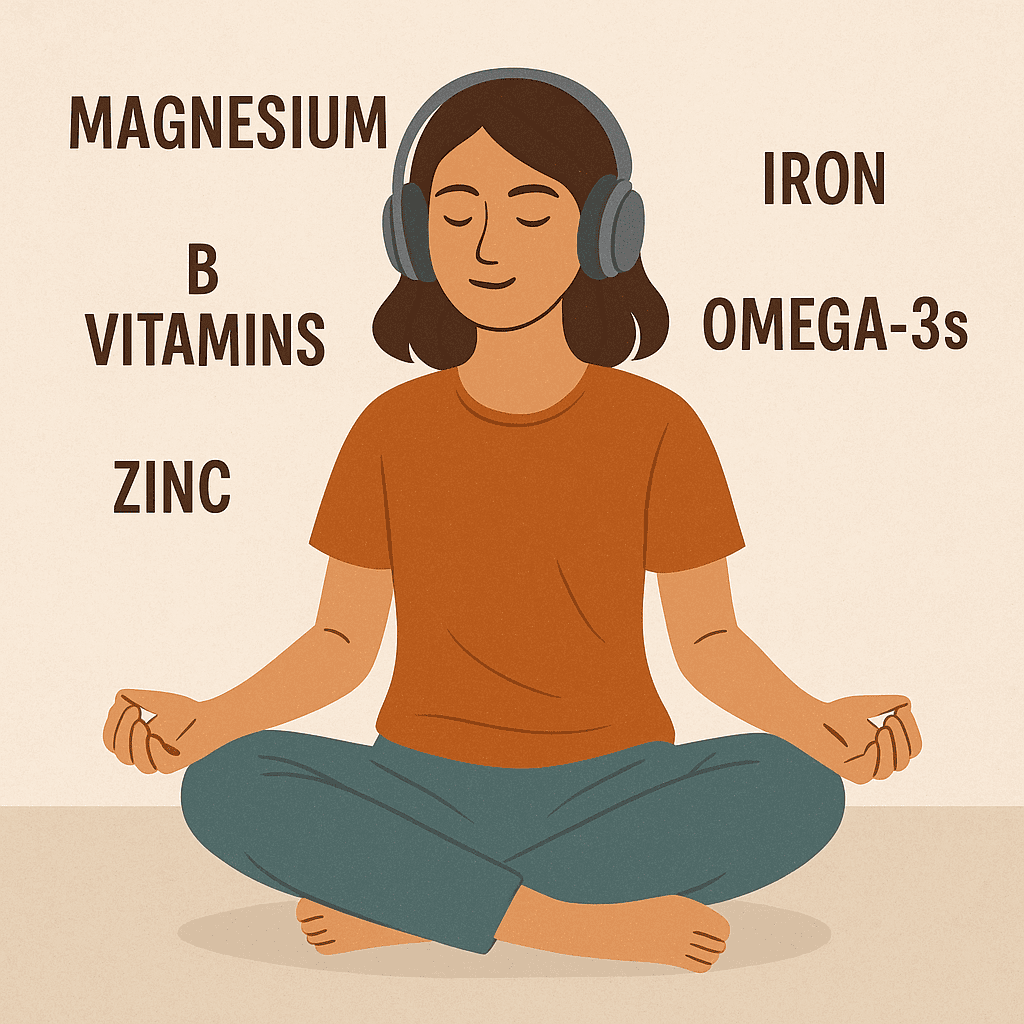
Nutrient depletion – Low levels of magnesium, zinc, iron, B vitamins, and omega-3s can affect neurotransmitters like dopamine and serotonin.
Medication load – While prescription medication can be helpful, many drugs — not just ADHD treatments — are known to deplete vital nutrients over time. Without replenishment, this can leave the nervous system running on empty.
Chronic stress and trauma – Without tools for regulation, the nervous system can become increasingly sensitised.
Hypermobility connection – There is a recognised overlap between ADD/ADHD and hypermobility spectrum disorders. Both involve connective tissue and nervous system sensitivity, and often run in families, though they may present differently in boys and girls.
A Wider Perspective on ADD/ADHD in Scotland
You can edit text on your website by double clicking on a text box on your website. Alternatively, when you select a text box a settings menu will appear. your website by double clicking on a text box on your website. Alternatively, when you select a text box.
For many, receiving an ADD/ADHD diagnosis brings clarity and validation. That experience is real and valuable. At the same time, it’s worth remembering that the nervous system is adaptable. Symptoms shift with stress, nourishment, and environment.
I believe ADD/ADHD is as much about how we have been shaped by our environments and lifestyles as it is about our biology. And when we begin to support the nervous system — with nutrients, practices, and rhythm — symptoms can soften. The traits remain, but they no longer drown us.
Bioresonance therapy to uncover hidden stressors and support balance at the energetic level.
9D Breathwork journeys that guide people out of survival states and into deeper calm and clarity.
Shamanic practices that open pathways to deeper self-understanding and connection.
Community events where people can share tools, experiences, and new ways of living in balance.
For us, ADD/ADHD is just one lens into the wider picture of human resilience. With the right support, the nervous system can be nourished, balance restored, and our full potential rediscovered.
